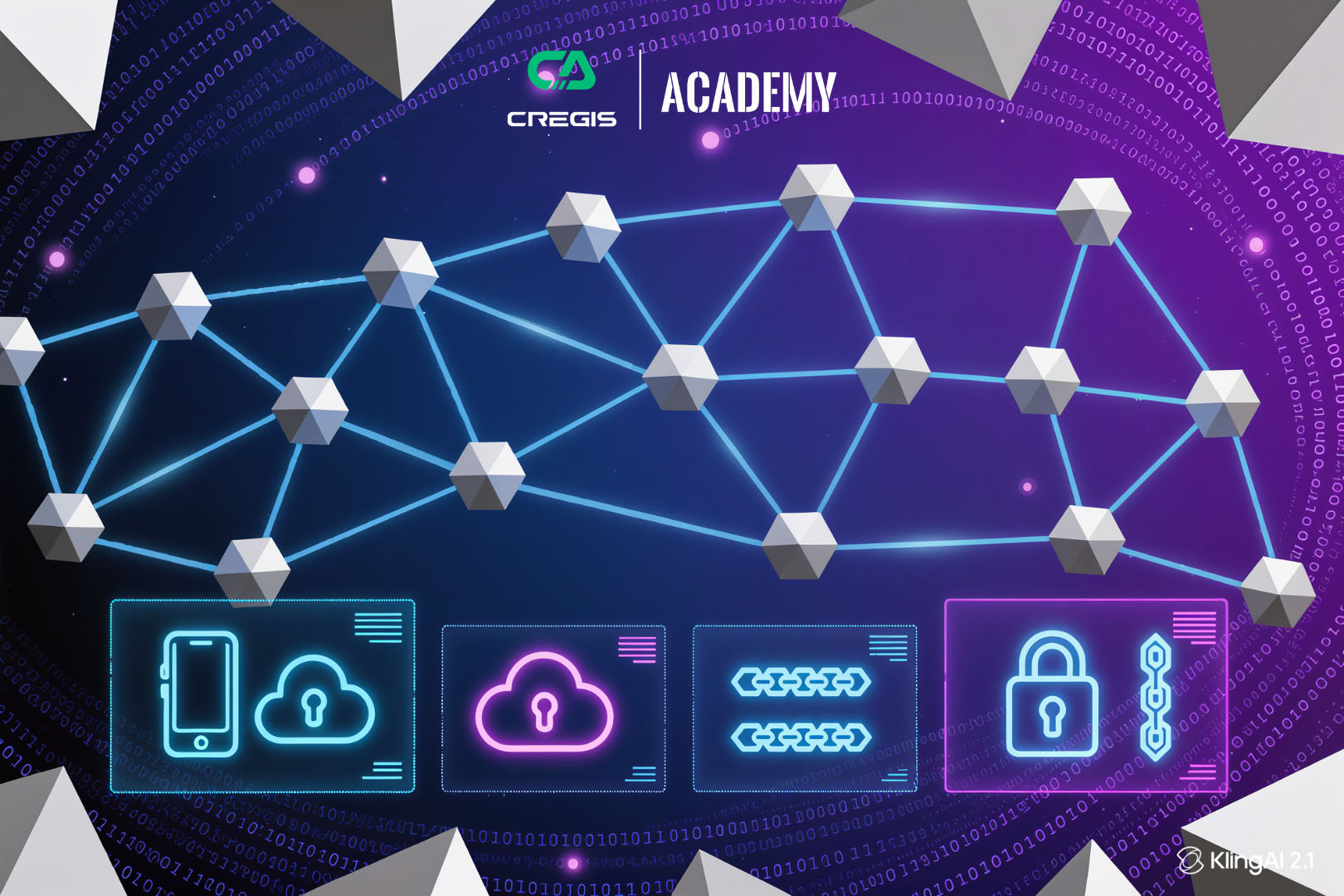
In recent years, decentralized applications—or dApps—have emerged as one of the most exciting developments in blockchain technology. By removing central authorities from the equation, dApps promise to reshape how we interact, transact, and share information online.
But what exactly are they? How do they work? And what opportunities and challenges do they bring?
What Are Decentralized Applications (dApps)?
Unlike traditional apps that run on centralized servers owned by a single company, dApps run on blockchain or peer-to-peer (P2P) networks. This means no single entity controls them—users collectively maintain and govern the application.
They are often built on Ethereum, the most popular platform for dApp development, but other blockchains like Solana, Polkadot, and Avalanche also support them.
Examples of popular dApps include:
- MetaMask (cryptocurrency wallet)
- Uniswap (decentralized exchange)
- CryptoKitties (blockchain-based game)
How Do dApps Work?
At their core, dApps rely on smart contracts—self-executing code stored on a blockchain that automates transactions when certain conditions are met.
Here’s how they differ from traditional apps:
- Centralized Apps: Operate on private servers owned by one company (e.g., Uber, Facebook).
- Decentralized Apps: Operate on a distributed network, with transactions validated and stored on a blockchain.
Because dApps are open source, anyone can inspect the code, suggest improvements, or fork the project to create a new version.
Key Benefits of dApps
1. Privacy Protection
Users don’t need to share personal data with a central authority—transactions are tied to blockchain addresses, not personal identities.
2. Censorship Resistance
No single party can block, delete, or alter content, making dApps appealing to free-speech advocates.
3. Global Accessibility
Anyone with internet access can use a dApp, regardless of their location or financial status.
4. Transparency
All transactions are publicly recorded on the blockchain, ensuring accountability and trust.
Risks and Challenges of dApps
While dApps hold great promise, they also come with challenges:
- Scalability Issues — Blockchains can become congested, slowing transaction speeds.
- User Experience — Many dApps are not yet as intuitive as centralized apps.
- Security Risks — Poorly written smart contracts can be exploited by hackers.
- Regulatory Uncertainty — Governments are still determining how to regulate blockchain-based services.
In fact, DappRadar reported that in 2022 alone, vulnerabilities in dApps led to over $48 billion in losses. While that figure dropped sharply in 2023, hacks and phishing scams remain a concern.
Real-World Use Cases of dApps
Beyond cryptocurrency trading, dApps are transforming multiple industries:
- Finance: Peer-to-peer lending, decentralized exchanges.
- Supply Chain: Tracking goods with full transparency.
- Identity Verification: Secure, blockchain-based ID systems.
- Healthcare: Safe storage of medical records.
- Gaming: Play-to-earn models that reward players in crypto.
The Bottom Line
dApps are a fundamental shift in how we think about applications—moving from centralized control to community governance. They offer privacy, transparency, and global access, but also face adoption, security, and regulatory hurdles.
As blockchain technology evolves, dApps could become as common as the apps on your phone today—only without the middlemen.
關於Cregis
Cregis成立於2017年,總部位於香港,是一家面向企業的數字資產基礎設施平台。過去九年間,Cregis已服務全球50多個國家和地區的4,000餘家企業客戶,涵蓋加密交易所、金融科技公司、支付服務商、數字銀行、經紀商及Web3企業等機構。
圍繞企業數字資產運營需求,Cregis構建了覆蓋錢包基礎設施(WaaS)、資金流編排(Rails)及合規託管能力(Custody)的產品體系,幫助企業完成從資產存放與控制、資金流轉與運營,到治理與合規管理的完整閉環。
其中,核心產品 Wallet-as-a-Service 和 Payment Engine 已廣泛應用於企業級數字資產運營場景。隨著數字資產基礎設施需求持續全球化,Cregis始終專注於一件事:幫助企業以更強控制力、更低運營複雜度和更完善的合規能力使用數字資產。