Introduction
In the world of crypto asset security, Multi-Party Computation (MPC) wallets are emerging as the new standard for institutional-grade protection. Unlike traditional wallets that rely on a single private key, MPC wallets eliminate single points of failure by distributing key shares across multiple parties. For institutions managing large amounts of cryptocurrency, this offers a more secure, private, and compliant solution.
In this guide, we’ll break down what an MPC wallet is, how it works, its benefits, limitations, and how it compares to other crypto storage solutions like MultiSig and cold wallets.
Key Takeaways
- MPC wallets use cryptographic protocols that allow multiple parties to jointly authorize transactions without revealing their individual key shares.
- They offer greater security and operational flexibility compared to MultiSig and single-key wallets.
- Ideal for institutions, MPC wallets support regulatory compliance and reduce key management complexity.
- While powerful, MPC wallets require technical setup and come with certain performance trade-offs.
What Is Multi-Party Computation (MPC)?
Multi-party computation is a cryptographic technique that enables multiple parties to compute a shared result—like signing a crypto transaction—without disclosing their individual inputs. This ensures maximum privacy and decentralization of authority.
The concept dates back to the 1980s with the introduction of the "Millionaire's Problem" by Andrew Yao. Today, it powers some of the most secure crypto wallets in use.
What Is an MPC Wallet?
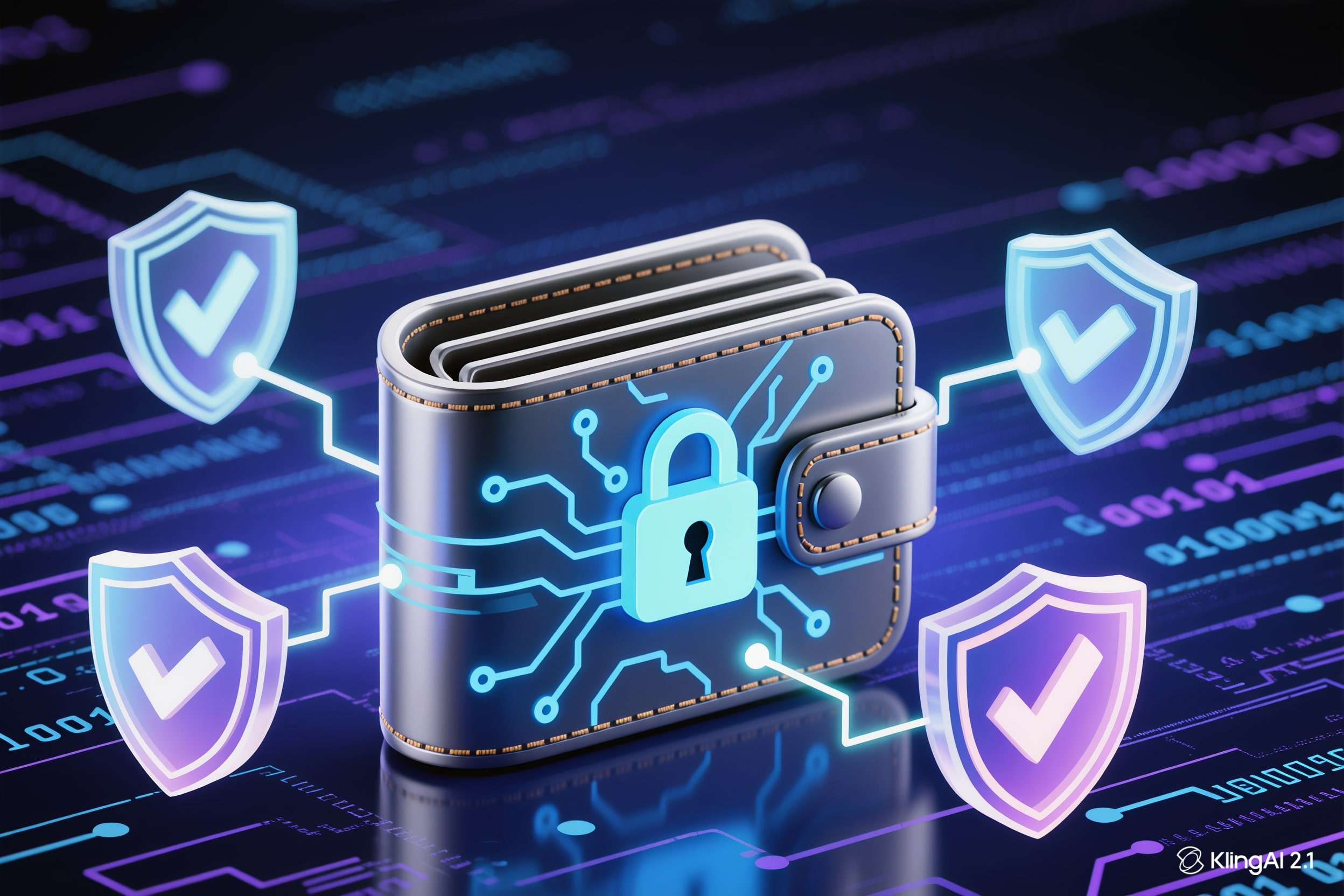
An MPC wallet is a digital asset wallet that uses multi-party computation to split private key generation and management among multiple parties. The key is never fully assembled, making it highly resistant to theft.
Unlike traditional wallets such as MetaMask (which store one private key), or MultiSig wallets (which require multiple on-chain signatures), MPC wallets compute transaction approval off-chain and in a decentralized way.
How Do MPC Wallets Work?
Here's how an MPC wallet typically functions:
- Private key shares are generated and distributed to multiple parties or devices.
- When a transaction is initiated, each party uses their share to participate in the computation.
- The result is a valid digital signature, without ever reconstructing the full private key.
This process ensures that:
- No one party ever has access to the full key.
- The key is never stored in a single location.
- The wallet remains highly secure, even if one share is compromised.
Benefits of MPC Wallets
1. Enhanced Security
- No single point of failure: Hackers must compromise all key shares to breach the wallet.
- Keys never exist in full: Even during signing, the full private key is never formed.
- Reduced phishing and malware risk: No one individual holds complete signing power.
2. Stronger Privacy
- Off-chain approvals: Signing is done off-chain, so attackers cannot trace transaction approvers.
- Indistinguishable on-chain signatures: MPC transactions look like standard wallet transactions on the blockchain.
3. Operational Efficiency
- Faster than cold wallets: MPC key shares can stay online, allowing quicker transaction approval.
- Easy key rotation: When a team member changes, new key shares can be generated without moving funds.
- Supports compliance: Ideal for institutions needing segregation of duties and multi-party sign-offs.
MPC Wallets vs. MultiSig Wallets
| Feature | MPC Wallet | MultiSig Wallet |
| Signature type | Off-chain | On-chain |
| Key setup flexibility | Flexible | Static (immutable) |
| Privacy | High | Low |
| Operational complexity | Medium | High |
| Security | Very High | High |
MultiSig wallets have been widely used but reveal signing parties on-chain and cannot easily adapt to organizational changes. MPC wallets address these limitations with superior flexibility and security.
Drawbacks of MPC Wallets
While MPC wallets offer numerous benefits, they also come with some challenges:
1. Slower Approval Times
- Requires coordination among multiple parties.
- More steps than single-key or hot wallets.
2. Technical Complexity
- Requires specialized knowledge to implement securely.
- May require engaging expert MPC wallet providers.
3. Not Infallible
- If every key share is compromised, an attacker could gain control.
- Like all security systems, human error and poor implementation remain risks.
Who Should Use MPC Wallets?
MPC wallets are best suited for:
- Crypto custodians
- Exchanges and brokers
- Asset managers
- Enterprises with crypto treasury management needs
- DAOs and Web3 platforms needing secure multi-party control
Cregis and MPC Wallet Technology
At Cregis, we specialize in developing self-custodial MPC wallets that combine institutional security with seamless usability. Our MPC Wallet solution is designed to help businesses and individuals take control of their digital assets without compromising on compliance, privacy, or performance.
Whether you’re building a crypto exchange, launching a DAO, or managing an enterprise treasury, our MPC-based wallet infrastructure ensures that your assets are safe, scalable, and secure.
Conclusion
MPC wallets represent a significant advancement in digital asset custody and transaction authorization. They combine the best aspects of security, privacy, and operational control, making them ideal for institutional-grade crypto management. While there are some complexities to consider, the benefits far outweigh the trade-offs for most organizations.
FAQs About MPC Wallets
What does MPC stand for in wallets?
MPC stands for Multi-Party Computation, a cryptographic protocol used to decentralize private key management.
Are MPC wallets better than cold wallets?
They offer comparable security but are more efficient and operationally agile, especially for institutional use.
Can individuals use MPC wallets?
Yes, though they are more commonly used by institutions. Some providers are beginning to offer consumer-friendly MPC solutions.
Is an MPC wallet the same as a MultiSig wallet?
No. MultiSig uses multiple on-chain signatures; MPC performs off-chain computations and offers better privacy and flexibility.
關於Cregis
Cregis成立於2017年,總部位於香港,是一家面向企業的數字資產基礎設施平台。過去九年間,Cregis已服務全球50多個國家和地區的4,000餘家企業客戶,涵蓋加密交易所、金融科技公司、支付服務商、數字銀行、經紀商及Web3企業等機構。
圍繞企業數字資產運營需求,Cregis構建了覆蓋錢包基礎設施(WaaS)、資金流編排(Rails)及合規託管能力(Custody)的產品體系,幫助企業完成從資產存放與控制、資金流轉與運營,到治理與合規管理的完整閉環。
其中,核心產品 Wallet-as-a-Service 和 Payment Engine 已廣泛應用於企業級數字資產運營場景。隨著數字資產基礎設施需求持續全球化,Cregis始終專注於一件事:幫助企業以更強控制力、更低運營複雜度和更完善的合規能力使用數字資產。