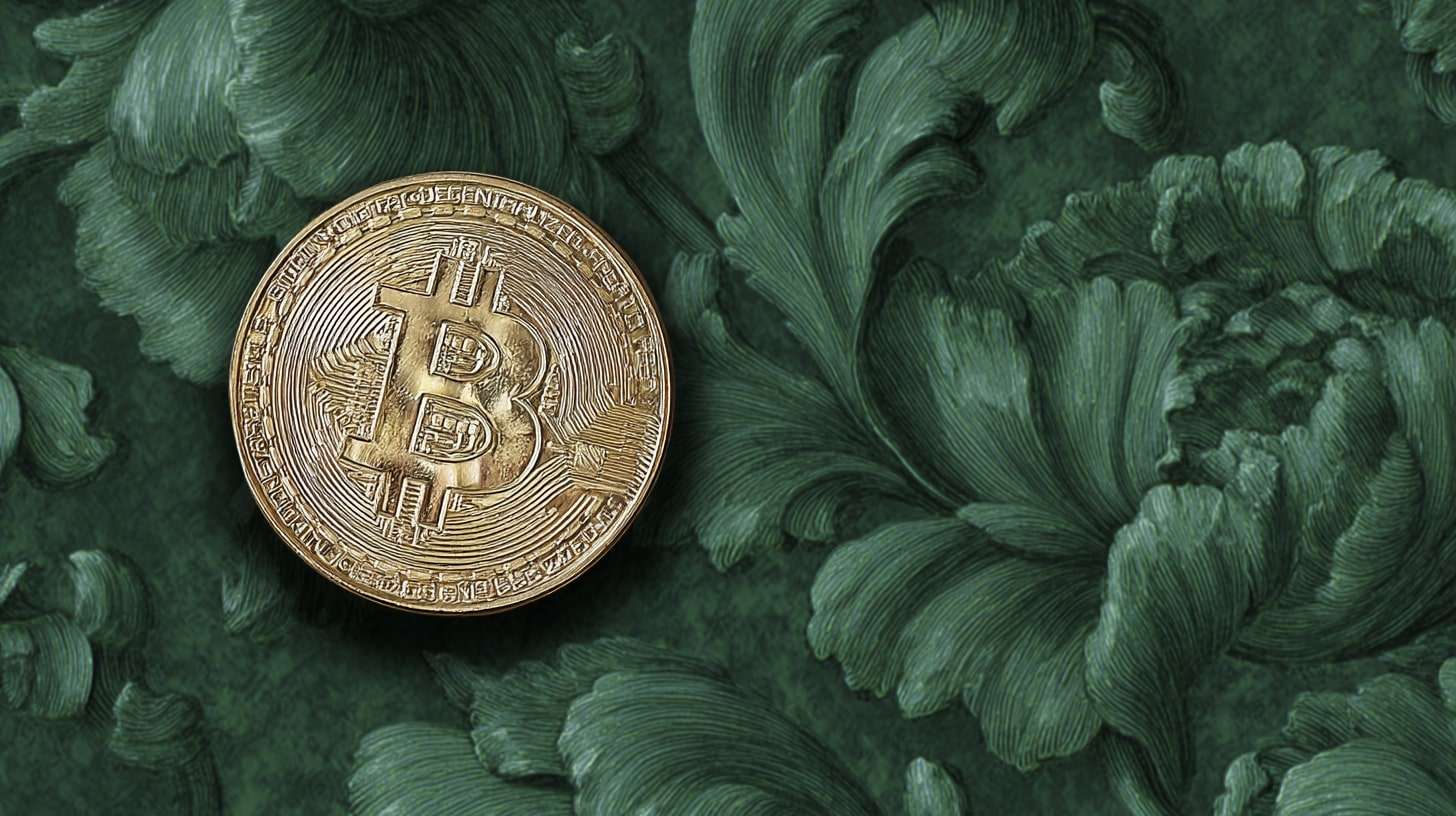
Bitcoin (BTC) is the world’s first and most recognized cryptocurrency. Designed as a decentralized, peer-to-peer digital currency, Bitcoin allows for secure value transfer without intermediaries like banks or governments. Its creation in 2008 by the pseudonymous Satoshi Nakamoto sparked a financial revolution and laid the foundation for the blockchain industry.
In this comprehensive guide, we break down what Bitcoin is, how it works, how to use and invest in it, and the risks you should know.
Key Takeaways
- Bitcoin is a decentralized digital currency created in 2008 by Satoshi Nakamoto.
- It operates on a public blockchain, enabling peer-to-peer transactions without intermediaries.
- Bitcoin mining secures the network and issues new coins via a competitive, proof-of-work process.
- Bitcoin can be used for payments, investment, and speculation.
- Risks include market volatility, fraud, security breaches, and regulatory uncertainty.
The History of Bitcoin
The Origins
In August 2008, the domain Bitcoin.org was registered. A few months later, in October 2008, a whitepaper titled “Bitcoin: A Peer-to-Peer Electronic Cash System” was published by Satoshi Nakamoto. This document introduced a novel decentralized system that eliminated the need for trusted third parties in financial transactions.
The Genesis Block
On January 3, 2009, Bitcoin’s first block—called the Genesis Block or Block 0—was mined. Embedded within it was a now-famous message:
“The Times 03/Jan/2009 Chancellor on brink of second bailout for banks.”
This message reflects Bitcoin’s ideological roots as a response to financial instability and centralized banking systems.
Early Development
- January 9, 2009: The Bitcoin software was released to the public.
- Block 1 mined: Bitcoin mining officially began.
- Initial block rewards: 50 BTC per block (now reduced to 3.125 BTC after four halvings).
How Bitcoin Works
What Is the Bitcoin Blockchain?
Bitcoin operates on a blockchain, a decentralized, distributed ledger maintained by a global network of computers (nodes). Each block contains a group of transactions and links cryptographically to the previous block, forming an immutable chain.
Key Elements of a Block
- Version: Software version
- Previous block hash: Links to the prior block
- Merkle root: Summary hash of all transactions
- Timestamp: Time of block creation
- Difficulty target: Mining difficulty level
- Nonce: Variable used to solve the hash
Bitcoin Encryption
Bitcoin uses the SHA-256 hashing algorithm to encrypt data and secure the network. Each block’s hash is a unique 64-character hexadecimal value that represents all the transaction data within it.
Buying Bitcoin: A Beginner’s Guide
You don’t need to mine Bitcoin to own it. Today, the most common way to acquire Bitcoin is through cryptocurrency exchanges or self-custodial wallets like those offered by Cregis.
Steps to Buy Bitcoin
- Choose a reputable exchange (e.g., Coinbase, Binance).
- Create an account and verify your identity.
- Deposit fiat currency (e.g., USD, EUR).
- Buy Bitcoin in full or fractions (as little as 0.00000001 BTC, or 1 satoshi).
- Transfer it to a self-custodial wallet for enhanced security.
Bitcoin Mining: How New BTC Are Created
Bitcoin mining is the process of validating transactions and adding them to the blockchain. Miners compete to solve complex mathematical problems, and the winner earns new bitcoins as a reward.
Mining Hardware and Options
- ASIC miners: High-performance, expensive machines built for mining.
- Mining pools: Groups of miners that combine power and share rewards.
- Popular mining software: CGMiner, BFGMiner
Bitcoin Halving Events
Bitcoin’s issuance rate halves every 210,000 blocks (~4 years):
| Year | Block Reward (BTC) |
| 2009 | 50 |
| 2012 | 25 |
| 2016 | 12.5 |
| 2020 | 6.25 |
| 2024 | 3.125 |
| 2028 (est.) | 1.5625 |
How to Use Bitcoin
Originally envisioned as digital cash, Bitcoin now serves multiple purposes.
Payments
Thousands of merchants, both online and in physical stores, accept Bitcoin. Transactions are processed via wallets, QR codes, or payment gateways.
Investing and Speculating
As Bitcoin’s price surged past $69,000 in 2021 and over $100,000 in 2024, it became an attractive investment asset. Traders engage in short-term price speculation, while long-term holders view it as “digital gold.”
Risks of Bitcoin
Bitcoin presents high potential rewards but also significant risks:
1. Market Volatility
Bitcoin’s price can fluctuate thousands of dollars in a single day, often driven by news, sentiment, or global markets.
2. Regulatory Uncertainty
While not classified as a security in the U.S. (as of Dec 2024), that could change. Other regions, such as India and the EU, are developing or enforcing regulations.
3. Security Concerns
Exchanges can be hacked. That’s why self-custodial wallets, like Cregis MPC Wallets, offer better control and security.
4. Insurance Limitations
Bitcoin is not insured by FDIC or SIPC. Some platforms offer limited coverage through third-party insurers.
5. Fraud and Scams
Phishing, rug pulls, and impersonation scams continue to affect inexperienced users.
Frequently Asked Questions
What Exactly Is Bitcoin?
Bitcoin is a decentralized digital currency built on blockchain technology.
Can You Convert Bitcoin to Cash?
Yes, through exchanges or crypto ATMs, you can convert BTC into fiat currencies like USD or EUR.
Is It Too Late to Invest in Bitcoin?
Despite volatility, many believe Bitcoin’s value could continue to grow as adoption increases.
What’s the Current Price of Bitcoin?
As of December 5, 2024, Bitcoin surpassed $100,000 for the first time.
Final Thoughts
Bitcoin has evolved from a cypherpunk experiment into a globally recognized digital asset and payment network. Whether you view it as a revolutionary currency, an investment opportunity, or a technological marvel, understanding its fundamentals is crucial.
At Cregis, we build solutions like self-custodial MPC wallets and crypto payment engines to help users interact with digital assets like Bitcoin in a secure, scalable, and compliant manner.
About Cregis
Founded in 2017 and headquartered in Hong Kong, Cregis is an enterprise digital asset infrastructure platform.
Over the past nine years, Cregis has served more than 4,000 businesses across 50+ countries and regions, including crypto exchanges, fintech companies, payment providers, digital banks, brokers, and Web3 businesses.
Cregis provides a three-layer infrastructure stack spanning Wallet Infrastructure, Fund Flow Orchestration, and Custody Capabilities, enabling enterprises to manage the full lifecycle of digital assets, from asset control and fund operations to governance and compliance.
Its core products, Wallet-as-a-Service (WaaS) and Payment Engine, are widely used across enterprise digital asset use cases. As demand for digital asset infrastructure continues to expand globally, Cregis remains focused on helping businesses operate digital assets with greater control, lower operational complexity, and stronger compliance readiness.