Key Takeaways
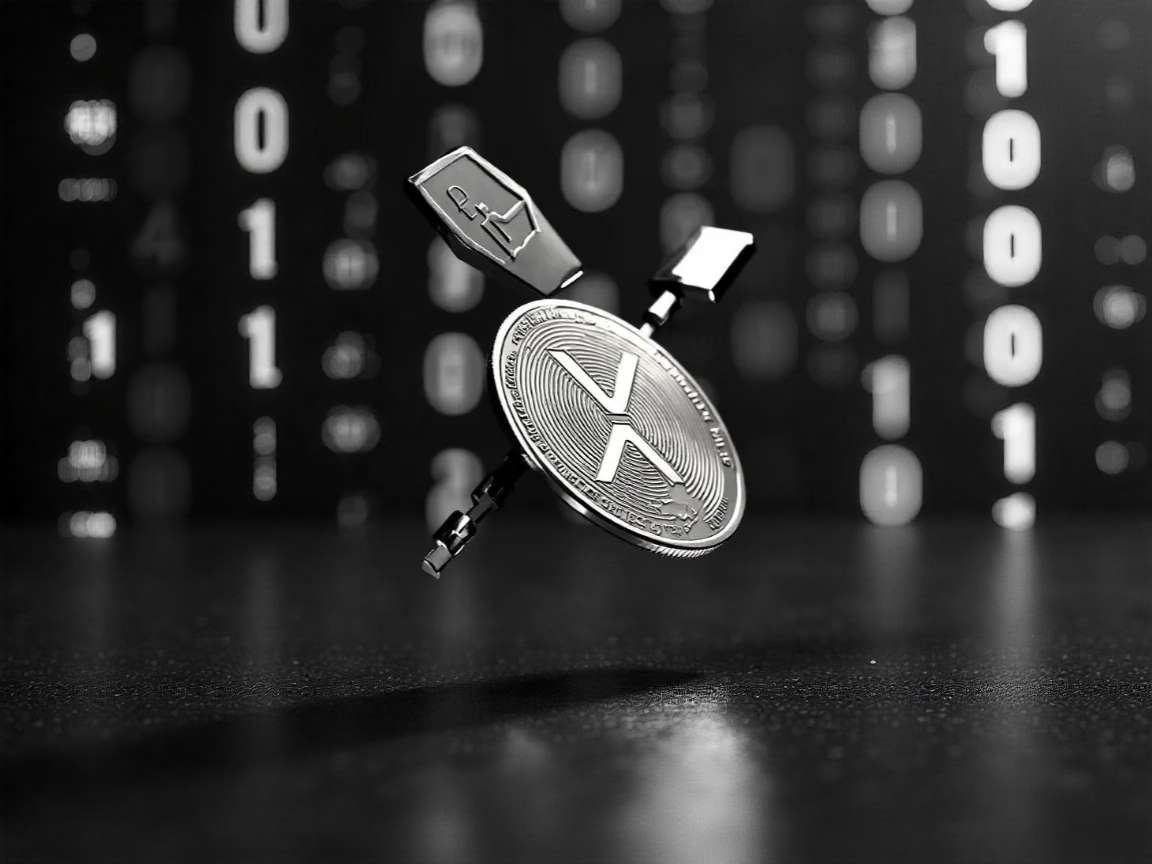
- XRP is the native token of the XRP Ledger, an open-source blockchain optimized for fast, low-cost transactions.
- XRP is pre-mined, with a fixed total supply of 100 billion tokens.
- XRP is used by Ripple to facilitate cross-border payments between financial institutions.
- Unlike Bitcoin, XRP uses a unique consensus mechanism that is faster and more energy-efficient.
- XRP can be traded on various exchanges and is considered a deflationary asset.
What Is Ripple (XRP)?
Ripple (XRP) is a cryptocurrency and the native digital asset of the XRP Ledger (XRPL), a decentralized, open-source blockchain launched in 2012. XRP is designed to facilitate fast, low-cost transfers of value across the globe—especially between financial institutions.
Although often associated with Ripple, the fintech company that uses XRP in its RippleNet platform, XRP itself is independent and governed by the broader XRPL community.
The History of Ripple and XRP
XRP was developed in 2011 and officially launched in 2012 by David Schwartz, Jed McCaleb, and Arthur Britto to overcome the limitations of Bitcoin. Chris Larsen later joined the team, and they founded OpenCoin, later rebranded as Ripple Labs.
Ripple contributed to XRPL development and received 80 billion XRP tokens, locking 55 billion in escrow to ensure gradual release. In 2020, the XRP Ledger Foundation was launched to support XRPL’s independent development.
How XRP and the XRP Ledger Work
XRP operates on its own blockchain—the XRP Ledger—which uses a Federated Consensus mechanism instead of Proof-of-Work (PoW). This allows XRP to process transactions quickly (within seconds), affordably (fractions of a cent), and with minimal energy usage.
Key Features
- Consensus Model: Federated Consensus via trusted validators on a Unique Node List (UNL).
- Tokenomics: Fixed supply of 100 billion XRP; no mining required.
- Transaction Fees: Instead of charging a fee, a tiny amount of XRP is burned per transaction, making it deflationary.
- Scalability: Handles 1,500+ transactions per second; can scale higher using Payment Channels.
XRP vs. Bitcoin (BTC)
| Feature | XRP | Bitcoin |
| Launch Year | 2012 | 2009 |
| Supply Cap | 100 billion (pre-mined) | 21 million (mined) |
| Consensus | Federated Consensus | Proof-of-Work |
| Speed | ~3–5 seconds | ~10 minutes |
| Energy Use | Low | High |
| Use Case Focus | Cross-border payments | Peer-to-peer cash system |
Use Cases for XRP
XRP has several major use cases, particularly in the financial sector:
- Cross-Border Settlements: Used by RippleNet for real-time global payments between banks and institutions.
- Bridge Currency: Facilitates liquidity for currency exchanges.
- Microtransactions & Remittances: Supports high-throughput, low-fee payments.
- Trading & Investment: Available on major crypto exchanges as a digital asset.
Is XRP a Good Investment?
XRP’s investment potential depends on factors like market sentiment, adoption of RippleNet, and regulatory clarity. As with all cryptocurrencies, prices are volatile. Consult a financial advisor before making any investment.
Risks and Considerations
- Regulatory scrutiny, especially in the U.S.
- XRP is not controlled by Ripple, but the company still plays a major role.
- Token supply and release from escrow may affect price dynamics.
Why XRP Matters in the Blockchain Ecosystem
XRP stands out for its unique position as both a utility token and a bridge asset in the institutional finance world. It combines speed, low cost, and energy efficiency—qualities that are increasingly relevant in the evolving global payment infrastructure.
Final Thoughts
XRP is a top-tier cryptocurrency with real-world utility in fast, affordable, and energy-efficient financial transactions. Its decentralized ledger and use by Ripple make it a strong contender for solving long-standing issues in cross-border payments. Whether you’re an investor or a business, XRP offers a compelling value proposition—provided you understand the risks.
Learn More
To explore XRP Ledger and its development, visit the official XRPL website:
🔗 https://xrpl.org/
关于Cregis
Cregis成立于2017年,总部位于香港,是一家面向企业的数字资产基础设施平台。过去九年间,Cregis已服务全球50多个国家和地区的4,000余家企业客户,涵盖加密交易所、金融科技公司、支付服务商、数字银行、经纪商及Web3企业等机构。
围绕企业数字资产运营需求,Cregis构建了覆盖钱包基础设施(WaaS)、资金流编排(Rails)及合规托管能力(Custody)的产品体系,帮助企业完成从资产存放与控制、资金流转与运营,到治理与合规管理的完整闭环。
其中,核心产品 Wallet-as-a-Service 和 Payment Engine 已广泛应用于企业级数字资产运营场景。随着数字资产基础设施需求持续全球化,Cregis始终专注于一件事:帮助企业以更强控制力、更低运营复杂度和更完善的合规能力使用数字资产。